The aroma of sizzling spices filled the air as Meera stirred the curry in her grandmother’s old brass kadhai. The golden sheen of the vessel had faded over time, but its stories remained – stories of generations who had cooked in it, of feasts that had brought families together, and of traditions that refused to fade away.
Indian cooking utensils are not just tools; they are bearers of history, culture, and emotions. From the sturdy iron tawas to the beautifully carved wooden ladles, every piece has a tale to tell. But where did it all begin?
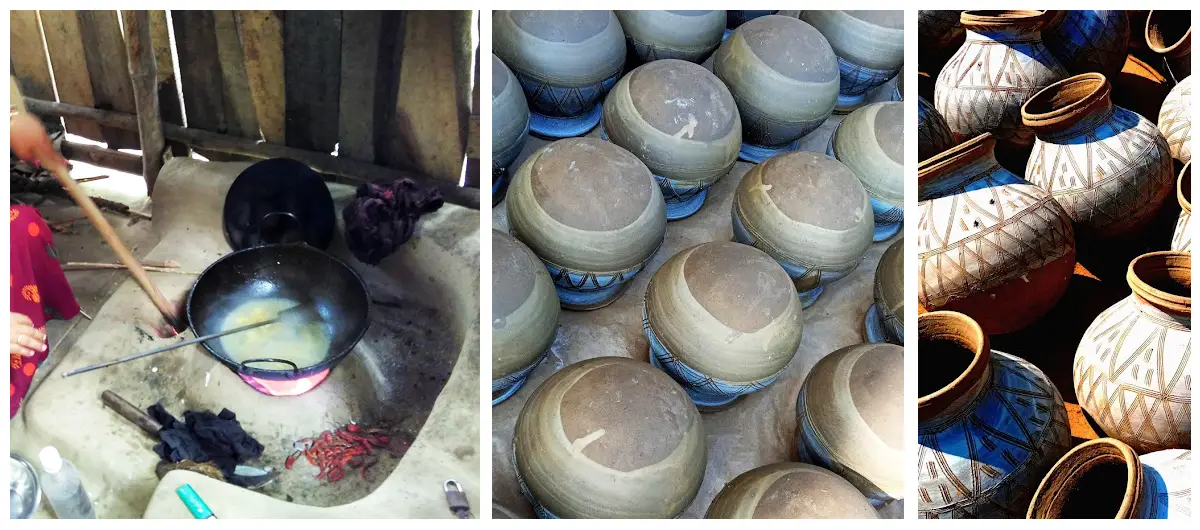
The Roots of Indian Cookware Long before modern stainless steel and non-stick cookware, Indian kitchens were filled with clay, brass, copper, and iron utensils. The Harappan civilization, one of the oldest in the world, used earthen pots for cooking and storage. The slow-cooking method in clay pots not only preserved the nutrients but also enhanced flavors, a tradition still alive in many Indian households today.
As centuries passed, metalwork flourished. Copper and brass became the preferred materials due to their ability to retain heat and infuse food with medicinal properties. Ayurveda emphasized the benefits of cooking in metals – brass for improving immunity, iron for enriching food with minerals, and copper for its antibacterial properties.